Meet the Meteorologist
What's your favorite weather phenomena?
What got you interested in the weather?
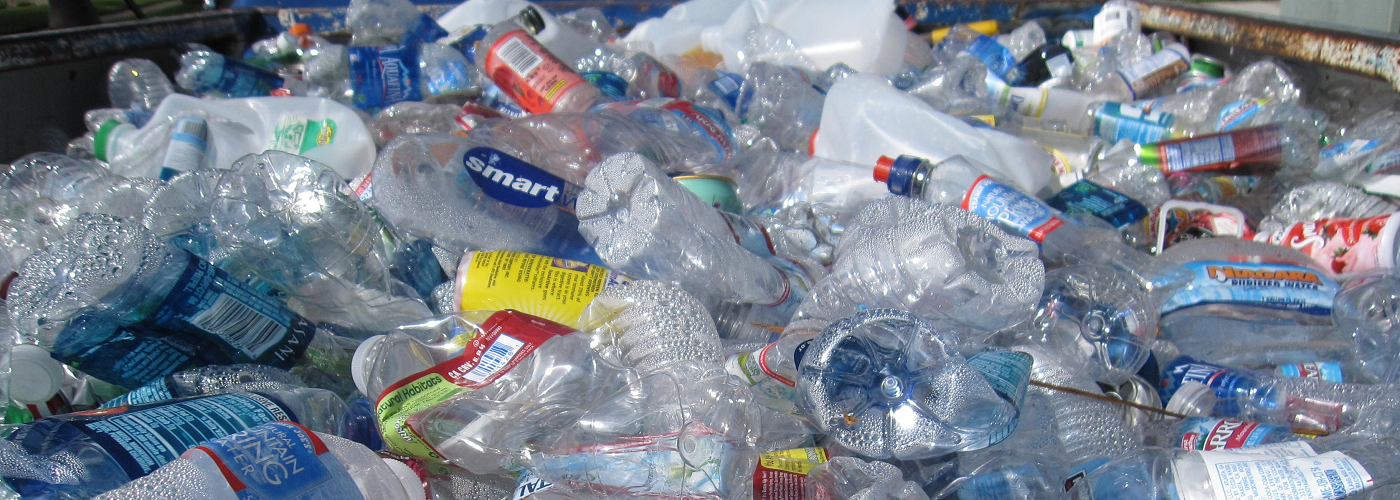

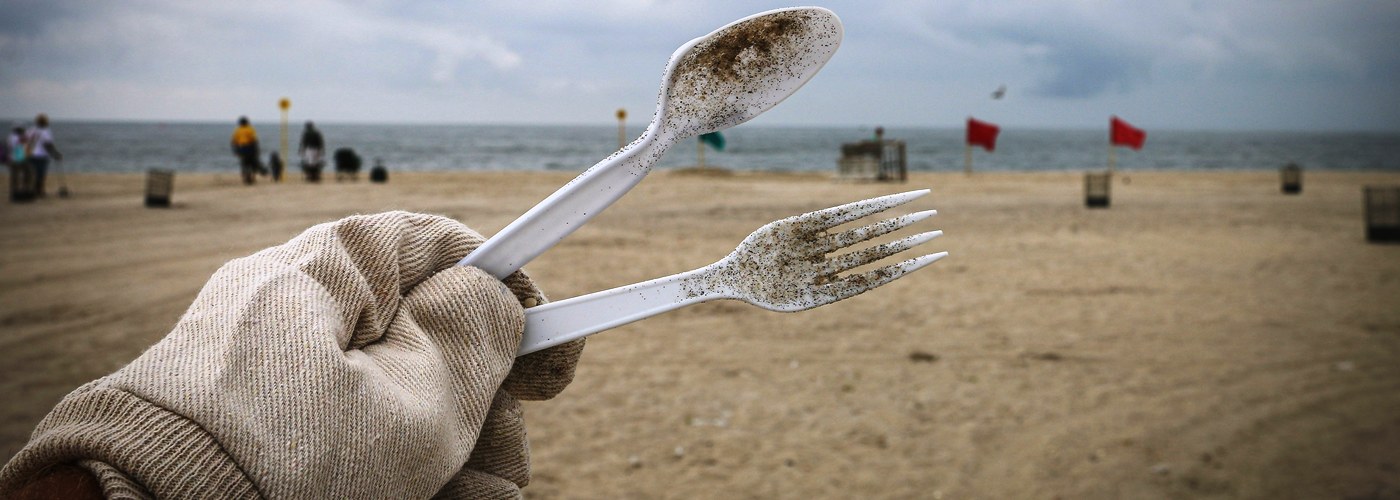
Plastic pollution remains a major
environmental challenge because many conventional plastics resist
decomposition, gradually breaking into microplastics and nanoplastics
instead of disappearing. However, researchers at the University of
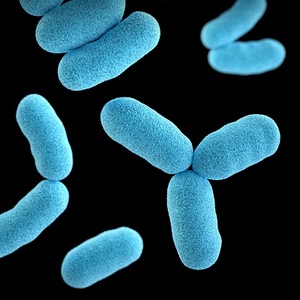
Konstanz in Germany have discovered an unusual enzyme that helps
bacteria break down certain biodegradable plastics.
Published
in The ISME Journal, the study identifies an enzyme nicknamed
the “Pac-Man enzyme” because of its unusually wide active site,
where chemical reactions occur. Researchers Harry Lerner and David
Schleheck investigated how microorganisms decompose long-chain
aliphatic polyesters (LCAP), a type of biodegradable plastic.
The
scientists buried plastic film in forest soil and monitored microbial
activity in laboratory experiments over a year. The biodegradable
plastics decomposed completely within approximately 250 to 330 days,
while conventional high-density polyethylene showed virtually no
degradation.
Electron microscopy revealed tiny holes in the
recovered plastic films, suggesting that bacteria were breaking into
the material rather than simply growing on its surface.
By
analyzing microbial DNA, the researchers identified a gene that
produces an esterase, an enzyme capable of breaking chemical bonds
found in biodegradable polyesters. The enzyme's structure allows it
to remain attached to bacterial cells while attacking nearby plastic
molecules.
The findings suggest that microorganisms may adapt
to digest certain biodegradable materials more readily than
previously understood. However, the discovery does not mean bacteria
can readily break down conventional plastics, which remain highly
resistant to microbial degradation.
The researchers argue that
developing plastics with chemical bonds that microorganisms can break
apart could help address pollution. By designing materials around
microbial capabilities, scientists may eventually create more
biodegradable products and reduce the long-term environmental burden
of plastic waste.
 Paul Trambley
 Derek Heit
 Jennifer Wojcicki
 Laura Lockwood
 Ray Miller


