Meet the Meteorologist
What's your favorite weather phenomena?
What got you interested in the weather?
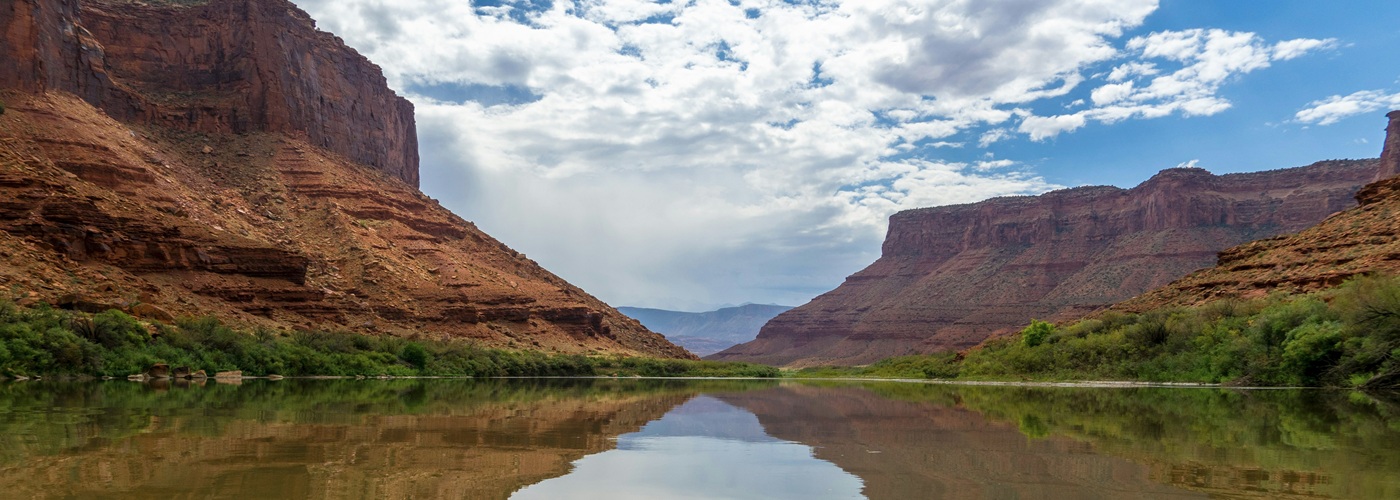

The Colorado River has long relied on winter snowpack in the mountains to supply water each spring. For decades, water managers could estimate river flow fairly well by measuring snow depth in early April. But since around 2000, those forecasts have routinely run too high. Even in snowy years, less water than expected has made it into the river.
Recent research from the University of Washington points to an important reason: spring rainfall has declined, and that change is reshaping how much snowmelt reaches streams. Published in Geophysical Research Letters, the study found that warmer, drier spring conditions explain nearly 70 percent of the gap between predicted and actual river flow.
When spring rain is scarce, plants rely more heavily on snowmelt, drawing water into roots and releasing it back into the atmosphere through transpiration. Clearer skies also bring more sunlight, which boosts plant growth and increases evaporation from soil. Together, these effects leave less water available to reach the river.
Researchers tested this pattern across 26 headwater basins in the Upper Colorado River Basin using streamflow records, precipitation data, and modeling. The results were consistent: when spring rainfall dropped, streamflow fell too. Lower-elevation basins showed the biggest losses because snow melts earlier there, giving plants more time to absorb water before it can run off.
The findings help explain the basin’s missing water problem, but they also show why April snowpack alone is no longer enough for forecasting. Water managers will need to factor in spring rainfall, plant activity, soil moisture, and temperature trends to better predict future flows.
In a drying and warming Colorado River Basin, the answer is not just how much snow falls in winter, but how the whole spring season unfolds.



 Paul Trambley
 Derek Heit
 Jennifer Wojcicki
 Laura Lockwood
 Ray Miller


