Meet the Meteorologist
What's your favorite weather phenomena?
What got you interested in the weather?


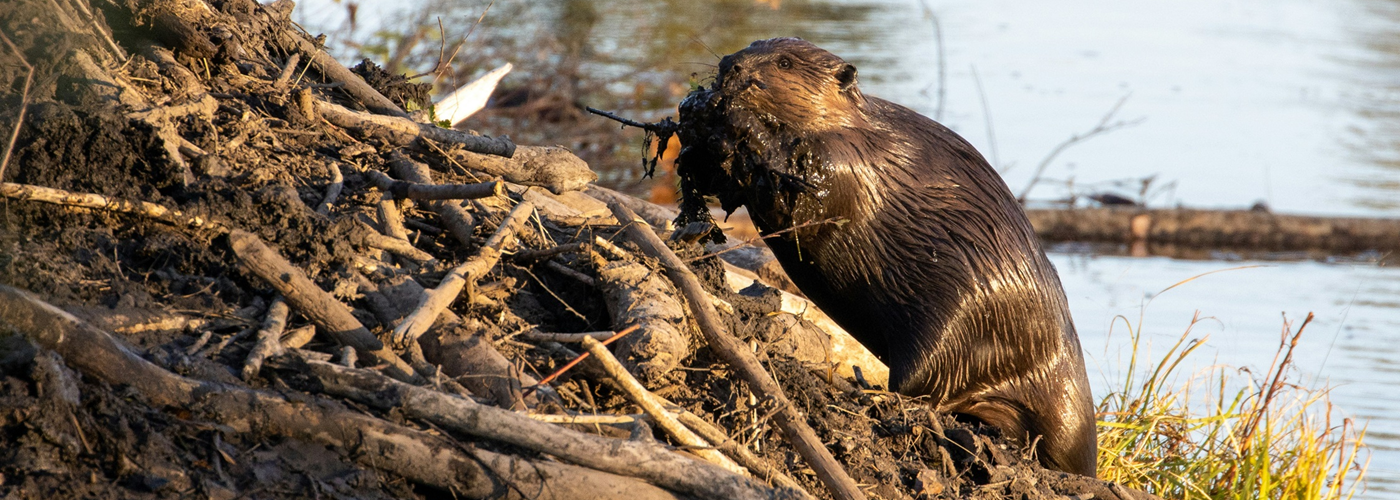
Beavers, long known for reshaping rivers and wetlands, may also play a surprising role in mitigating climate change. A new international study led by researchers at the University of Birmingham suggests that beaver activity can transform stream corridors into highly effective carbon sinks, significantly increasing the amount of carbon stored in these environments.
The research, conducted in a Swiss stream system where beavers have been active for more than a decade, provides one of the most detailed carbon budgets yet for a beaver-influenced landscape. By combining satellite observations, field measurements, chemical analysis, and long-term modeling, scientists found that wetlands created by beavers stored carbon at rates up to ten times higher than similar areas without them. Over 13 years, the site accumulated roughly 1,194 metric tons of carbon, equivalent to about 10.1 metric tons of carbon dioxide per hectare annually.
Beavers drive this process by building dams that slow water flow, trap sediments, and expand wetlands. These conditions allow carbon-rich materials, including organic debris and dissolved inorganic carbon, to settle and remain stored in sediments and deadwood. In fact, sediments in these wetlands contained far higher concentrations of carbon than nearby soils, while woody debris accounted for a large share of long-term storage.
Although the system briefly released more carbon dioxide during drier summer periods, it remained a strong net carbon sink over the course of the year. Methane emissions, often a concern in wetlands, were minimal (less than 0.1% of the total carbon budget).
The findings suggest that expanding beaver populations could provide measurable climate benefits. In Switzerland alone, suitable beaver habitats could offset up to nearly 2 percent of annual carbon emissions. While not a standalone solution, beaver-driven ecosystem changes highlight the growing importance of nature-based approaches to climate mitigation.
 Paul Trambley
 Derek Heit
 Jennifer Wojcicki
 Laura Lockwood
 Ray Miller