Meet the Meteorologist
What's your favorite weather phenomena?
What got you interested in the weather?
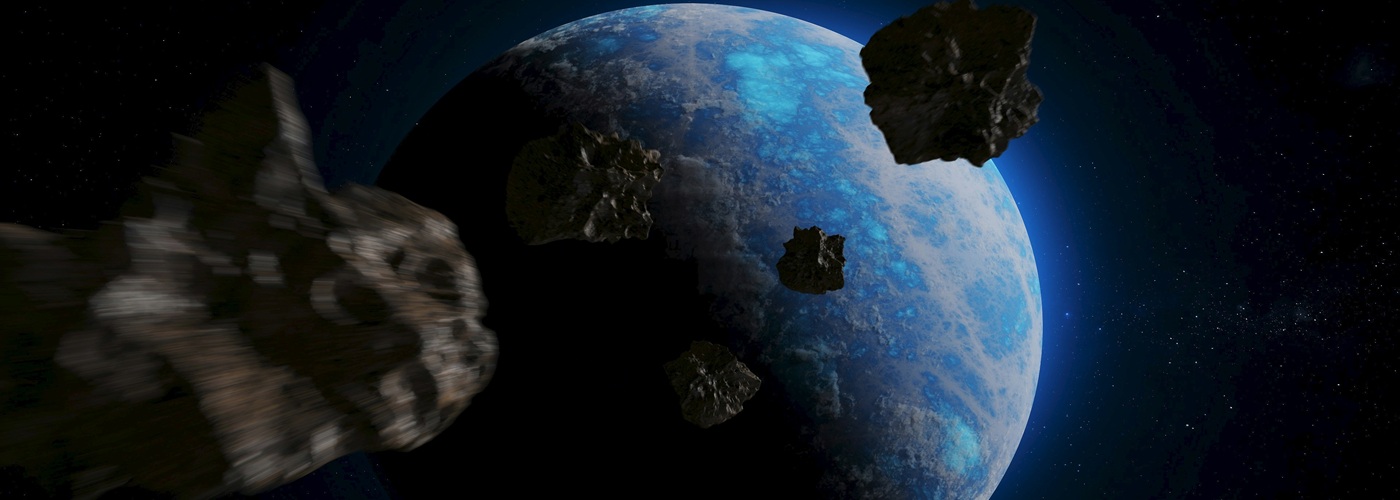

On July 16, 2024, a meteor streaked
across the New York City region, producing a sonic boom before
breaking apart over New Jersey. The meteorite, weighing more than two
pounds, crashed through the roof of a home in Hillsborough, NJ.
Scientists have now determined that the unusual space rock preserves
evidence of salty fluids on its parent asteroid and contains organic
compounds that may offer clues about the chemistry preceding life on
Earth.
Published in Science Advances, the study
identified the meteorite as a rare CM1/2 carbonaceous chondrite, a
primitive type of meteorite altered by water. Only the second
witnessed fall of this specific type, it contained tiny fragments
rich in salts, suggesting that water near the asteroid's surface
evaporated and concentrated into briny fluids.
Researchers
also found a diverse collection of soluble organic compounds,
including amino acids, along with carbon and nitrogen isotope
signatures characteristic of CM meteorites. The findings indicate
that water-driven chemical reactions inside the asteroid may have
helped create some of these compounds.
The meteorite is
especially valuable because it can be compared with samples returned
directly from asteroids Ryugu and Bennu, which also contain evidence
of ancient brines. Scientists are now identifying the specific salt
minerals in the Hillsborough specimen to determine how closely its
chemistry matches those asteroid samples.
The study reinforces
the possibility that primitive asteroids acted as natural chemical
laboratories, producing and delivering organic molecules to the early
Earth. Some recovered fragments will eventually be curated by the
American Museum of Natural History, preserving this rare record of
the early solar system for future research.






 Paul Trambley
 Derek Heit
 Jennifer Wojcicki
 Laura Lockwood
 Ray Miller


